Somali Observatory for Humanitarian Affairs The Voice of Reality.. The Eye of Humanitarian Truth in Somalia
Related Articles

CARE International has warned of a worsening humanitarian crisis in Somalia amid the continued closure of health facilities due to severe funding shortages, resulting in a sharp decline in life-saving services.
The organization said in a field report that this funding decline has deprived millions of pregnant women, mothers, and children of essential health and nutrition services across the country.
According to CARE Somalia Report, nearly 50 health and nutrition centres have closed since early 2026 across Puntland, Somaliland, Galmudug, and South West Somalia.
The report further noted that around 500 primary healthcare facilities nationwide have been forced to shut down due to severe humanitarian funding gaps.
CARE Somalia Report estimated that nearly two million children are currently acutely malnourished, including about 500,000 suffering from severe acute malnutrition, a life-threatening condition.
The situation in Galmudug was described as particularly severe, with the closure of 11 health centres and mobile clinics, as well as the suspension of cash assistance and water programmes.
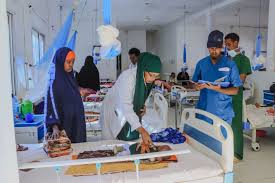
The organization confirmed that remaining health facilities are under increasing pressure due to rising numbers of critical cases, especially pregnant women traveling long distances in search of care.
Field testimonies reported by CARE Somalia Report highlighted women who were unable to access treatment after nearby facilities were closed, while child malnutrition cases continued to rise.
The report noted that the cost of therapeutic nutrition supplies has increased by approximately 44% over the past two years due to supply chain disruptions and rising transport costs.
According to CARE Somalia Report, about six million people in Somalia are facing acute food insecurity amid declining agricultural output, rising prices, and weakened purchasing power.
The organization warned that families are being forced into “harsh choices,” including reducing meals, withdrawing children from school, and increasing risks of early marriage for girls.
CARE also emphasized that women and children constitute the majority of internally displaced persons and are disproportionately affected by the collapse of essential services.
The organization called for urgent increases in humanitarian funding, unimpeded access to affected populations, and stronger support for local humanitarian partners.
The report concluded that without immediate intervention, Somalia risks further humanitarian deterioration and a wider expansion of the crisis.
The warning comes amid overlapping drought, climate shocks, insecurity, and economic instability, all of which are deepening vulnerability and increasing the urgency for sustained international humanitarian response to prevent a broader collapse of essential services.