Somali Observatory for Humanitarian Affairs The Voice of Reality.. The Eye of Humanitarian Truth in Somalia
Related Articles

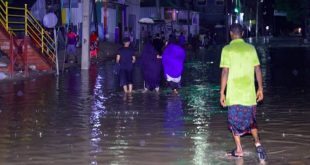
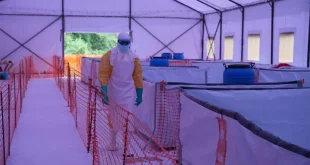
MOGADISHU — Within its strategic efforts to safeguard public health and enhance adaptation to environmental shifts, the Federal Ministry of Health and Human Services of Somalia, in collaboration with UNICEF, concluded the “Consultative Workshop on Environmental Health and Climate Change” in Mogadishu. The nation reaffirmed its diligent pursuit of building a resilient health system capable of confronting rapid climate challenges and protecting the dignified livelihoods of its citizens.
The three-day workshop saw extensive participation from State Ministries of Health, the Ministries of Energy and Water, Environment and Climate Change, the Banadir Regional Administration (BRA), the Somali Disaster Management Agency (SoDMA), and international partners to bolster national joint coordination.
Participants emphasized—as reported by the official Facebook page of the Ministry of Health and Human Services—that the gathering’s humanitarian essence is to unify efforts among various stakeholders, ensuring a comprehensive and unified national response that places the health of Somali citizens at the heart of climate plans.
The Ministry of Health reviewed the strategic vision of the “Environmental Health and Climate Change Department,” analyzing its duties and mandates. This opened a technical dialogue to gather valuable recommendations contributing to institutional performance in addressing increasing environmental crises with professionalism and competence.
Discussions focused on defining roles and responsibilities between federal and regional institutions to ensure a collaborative system characterized by transparency and efficiency, preventing overlapping mandates and maximizing available resources to protect national health security across the country.
Sessions prioritized “Water, Sanitation, and Hygiene” (WASH), healthcare waste management (HCWM), and infection prevention and control (IPC) as essential pillars for building a healthy society resilient to outbreaks resulting from climate disturbances and contemporary environmental risks.
The workshop explored ways to enhance health system resilience by adopting climate change adaptation strategies and integrating environmental sustainability standards into government medical facilities to ensure the continuity of health services even during acute natural disasters like recurring droughts and floods.
Official Ministry reports indicated that expected outcomes include a joint action plan with specific priorities aimed at improving field coordination and clarifying implementation mechanisms, ensuring swift access to services for the most vulnerable populations affected by global warming.
Program coordinators urged all international and local partners to support the outcomes of this consultation, asserting that Somalia is moving forward in building robust institutions that reflect the state’s ambition for universal health coverage and a safe environment for the sustainable development of Somali families.
This movement reflects a firm government commitment to transforming environmental challenges into opportunities for institutional development, as the integration between health and climate sectors forms the cornerstone of the national transformation strategy adopted by the Somali leadership to ensure the well-being and security of future generations.
Somalia’s direction toward linking the health sector with the climate change file represents a fundamental shift in state-building and human security strategy. Establishing solid technical and coordination frameworks is the true guarantee for transforming international commitments into field gains, contributing to a green and resilient future capable of turning environmental crises into positive energy for development and comprehensive social well-being.