Somali Observatory for Humanitarian Affairs The Voice of Reality.. The Eye of Humanitarian Truth in Somalia
Related Articles


NAIRBI — Xinhua News Agency, quoting the Climate Prediction and Applications Centre (ICPAC) of the Intergovernmental Authority on Development (IGAD), reported that the Horn of Africa, led by the Federal Republic of Somalia, is expected to experience wetter-than-normal rainfall conditions from April to June this year.
In a statement issued from Nairobi and cited by Xinhua, ICPAC noted that this heavy rainfall is anticipated across Somalia, Ethiopia, Eritrea, Sudan, South Sudan, Kenya, Uganda, Rwanda, Burundi, and Tanzania, necessitating heightened readiness to address potential climate repercussions.
Despite the forecasted heavy rains, the center observed that seasonal temperatures are expected to remain warmer than normal over most parts of the region, including Somalia, Kenya, and Sudan, reflecting rapid shifts in weather patterns driven by global warming.
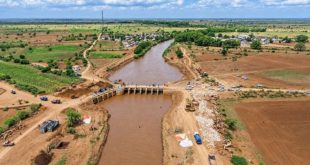
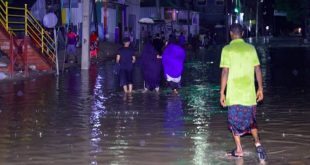
These predictions come as several countries in the region, including Somali border areas, face floods caused by torrential rains that have led to significant human and material losses, with reports indicating that climate change is upending traditional weather cycles.
In this context, the forecasts place Somali authorities under a proactive responsibility to strengthen early warning systems, particularly in the Juba and Shabelle basins, to protect local communities and displaced persons from the risks of flash floods during this rainy season.
Xinhua News Agency explained that extreme weather events are becoming alarmingly frequent, with recent floods in neighboring countries resulting in dozens of casualties, raising the challenges for regional emergency and relief teams to mitigate the side effects of these fluctuations.
Climate experts aim through these forecasts to enable Somalia’s agricultural and pastoral sectors to benefit from water abundance while taking necessary measures to prevent crop damage or livestock loss due to sudden floods following periods of drought.
International reports emphasize the importance of regional cooperation among IGAD member states to exchange climate data and coordinate humanitarian efforts, ensuring a swift and effective response that protects livelihoods and supports community resilience against the sharp climate shifts in the Horn of Africa.
The succession of extreme climate phenomena in the Horn of Africa places the region before a true test of its developmental will and adaptive capacity. Amidst these challenges, proactive preparations and community awareness remain the strongest shield for protecting national gains. Ensuring that the “rains of bounty” become a resource for development rather than a source of tragedy is essential, reaffirming that Somalia’s climate stability is a pillar for the stability of the entire region.