Somali Observatory for Humanitarian Affairs The Voice of Reality.. The Eye of Humanitarian Truth in Somalia
Related Articles



MOGADISHU – The Union of Somali Scholars Councils has called on the Federal Government to conduct an independent and urgent investigation into complaints concerning land and property disputes and demolition and eviction operations in parts of the capital, Mogadishu, urging an end to any measures that could affect citizens’ property rights before the legal status of the disputed land is verified. The Union’s position comes as public debate has intensified over the management of the land issue and concerns surrounding the rights of affected families and the social consequences of some eviction operations.
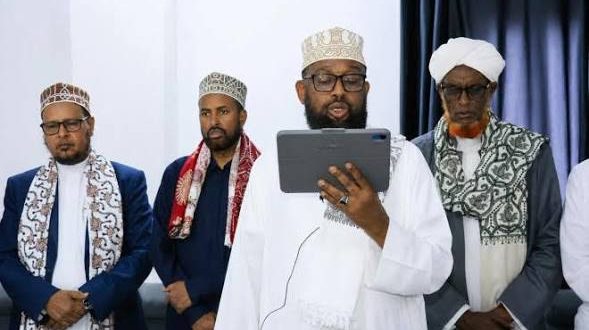
The Union said, during a press conference held today, Thursday, that it had received complaints from citizens who said they possessed legal documents proving their rights to land and properties, but who had, according to their accounts, faced challenges to their ownership or measures aimed at taking control of their properties, in addition to financial demands that they said lacked a clear legal basis. It called for these complaints to be examined and verified by independent bodies, with property owners and all other parties given an opportunity to submit documents and legal arguments before any decisions that could result in eviction or demolition are taken.
The Union stressed that disputes concerning ownership of land and homes should be resolved through the law and the judiciary, away from force, coercion or abuse of influence, emphasizing the need to guarantee citizens’ right to defend their properties and seek recourse through the competent judicial authorities. It also called for clear and transparent procedures for implementing demolition, eviction and expropriation decisions, ensuring that the legal status of a property is verified and residents’ rights are considered before any field action is carried out.
The Union of Somali Scholars Councils called on President Hassan Sheikh Mohamud, Prime Minister Hamza Abdi Barre, the Benadir Regional Administration and relevant government institutions to take action to address the complaints and hold accountable anyone proven responsible for abuse of authority, unlawful seizure of property or other practices that violate the law. It also urged the judiciary to handle land disputes independently and impartially, allowing conflicting claims to be adjudicated on the basis of legal evidence and documentation and strengthening citizens’ confidence in state institutions.
In the same context, the Union warned businesspeople, notaries, brokers and those working in the real estate sector against engaging in transactions involving properties surrounded by disputes or doubts regarding the validity of ownership and procedures, calling for verification of documents and the legal basis of any transaction before it is completed. The call comes amid reports of families being displaced as a result of demolition and eviction operations in different parts of Mogadishu, developments that have triggered political and community protests and criticism, while some allegations concerning land seizures or abuse of authority remain in need of an independent investigation to establish their validity and the responsibilities involved.
The authorities, for their part, maintain that demolition and eviction operations are part of efforts to recover public land, remove encroachments, open roads and implement projects to reorganize and develop the capital. However, continued controversy surrounding some cases highlights the need for precise and transparent standards that distinguish public land from private properties with legally recognized rights. Strengthening property registration mechanisms, standardizing procedures for verifying documents, and providing effective channels for complaints, appeals and litigation could help reduce disputes and shift the management of the land issue from contested field actions toward a more stable institutional process.
The land issue in Mogadishu remains one of the most complex and sensitive matters, owing to accumulated ownership and tenure disputes, rapid urban expansion, rising property values and the need to develop more effective systems for property registration and dispute resolution. While the authorities seek to regulate land use and recover public property, there is an equally important need to safeguard the rights of private property owners and protect families affected by any measures that lack a clear legal basis. Independent investigations, recourse to the judiciary and greater transparency in land administration remain among the key approaches capable of protecting citizens’ rights, strengthening the rule of law and reducing the risk of land disputes developing into security and social tensions in the capital.