Somali Observatory for Humanitarian Affairs The Voice of Reality.. The Eye of Humanitarian Truth in Somalia
Related Articles
Today, Wednesday, October 14, 2026, marks the ninth anniversary of the bombing that targeted the Zoobe intersection in the Somali capital, Mogadishu, in 2017, killing and injuring hundreds of people and leaving profound humanitarian impacts that remain present in the memory of Somali society.
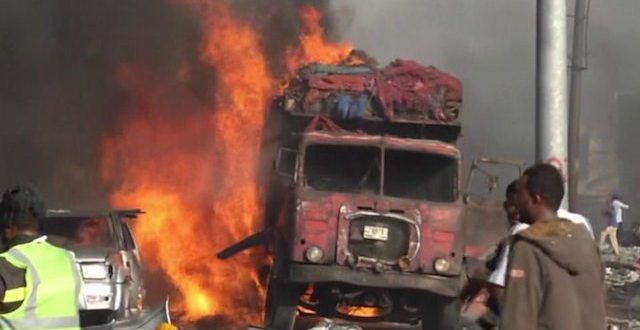
At midday that day, a truck bomb exploded near the Safari Hotel in the Hodan District, in a busy area that includes hotels, commercial shops, and public facilities. The explosion caused widespread destruction and sparked fires, while the area became the scene of intensive rescue operations involving citizens, healthcare workers, and ambulance teams, in an effort to save the injured and transport them to hospitals.
According to United Nations reports, the bombing killed at least 587 people and injured another 316, making it one of the deadliest attacks in the history of Somalia and the African continent. Hospitals in Mogadishu witnessed a large influx of injured people, while many families were occupied with searching for their relatives and identifying the victims in the aftermath of the explosion.
The repercussions of the tragedy did not stop at the death toll, the number of injured, and the extent of the destruction, but extended to families who lost their children and breadwinners, children who lost their parents, and survivors, some of whom continued to suffer from the effects of their injuries and psychological trauma. In the face of the scale of the catastrophe, a broad wave of public solidarity emerged, manifested in blood donations, assistance to the injured, and support for families who had lost members of their households.
After nine years, the memory of the Zoobe bombing continues to evoke the scale of the loss suffered by Somali society and highlight the long-term consequences of attacks targeting civilians in densely populated areas. It also underscores the importance of strengthening measures to protect the population, enhancing the readiness of healthcare institutions and emergency response teams, and developing efforts aimed at preventing attacks that threaten civilian lives.
The ninth anniversary of the Zoobe bombing comes at a time when civilian protection and strengthening security remain among the most prominent challenges facing Somalia. The occasion renews the emphasis on the importance of documenting attacks targeting the population, supporting survivors and victims’ families, and strengthening the capabilities of security institutions and healthcare facilities to prevent and respond to emergencies. Recalling the details of the tragedy also remains part of the national memory, carrying lessons about the cost of violence, the necessity of protecting civilian lives, and the need to ensure that such disasters do not happen again.