Somali Observatory for Humanitarian Affairs The Voice of Reality.. The Eye of Humanitarian Truth in Somalia
Related Articles

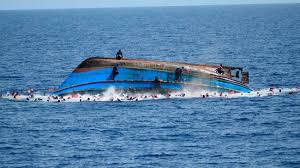
DJIBOUTI — In a painful human tragedy striking at the heart of the Somali community and those seeking hope through perilous migration paths, Reuters News Agency, quoting the UN’s International Organization for Migration (IOM), reported that at least nine people have died and 45 others remain missing following the tragic sinking of a boat carrying migrants—including Somalis—off the northern coast of Djibouti.
The organization stated in its report, as cited by Reuters, that the tragic incident occurred last Tuesday night near the coastal area of “Obock,” noting that the ill-fated vessel was carrying approximately 320 passengers at the time of the accident in territorial waters, triggering an extensive response from international and local rescue teams.
Although the boat’s precise point of departure was not specified, Reuters News Agency highlighted that such incidents frequently recur in the waterways between the Horn of Africa and the Yemeni coastline, routes taken by thousands of Somalis annually escaping harsh conditions in search of a better future.
These maritime routes are considered among the most dangerous irregular migration paths globally, where Somali migrants are forced into life-threatening adventures to reach Middle Eastern countries, seeking employment and a stable life away from the economic and political crises impacting their home regions.
Reports issued by the IOM clarified that tens of thousands of migrants from Somalia and Ethiopia cross Djibouti annually on arduous journeys, necessitating enhanced regional cooperation to protect lives and provide safe alternatives for youth aspiring for growth and reconstruction.
Authorities in Djibouti and UN agencies are continuing their efforts to locate the 45 missing individuals amidst complex logistical challenges in the affected sea area, while appeals grow to intensify humanitarian support for local communities in Somalia to reduce the drivers of forced migration.
This incident sheds light on the desperate need to address the root causes driving Somali talent and youth to risk their lives, emphasizing the importance of establishing organized migration corridors that protect human dignity and safeguard them from smuggling networks and deadly maritime risks.
International organizations are also renewing their call to the global community to enhance sustainable development in Somalia and the Horn of Africa, ensuring the protection of the vulnerable and providing opportunities that prevent them from braving the seas, reaffirming that protecting human lives is the supreme responsibility.
The loss of Somali lives at sea represents a recurring wound in the conscience of humanity, confirming that migration driven by necessity remains an adventure fraught with tears. Hence, the shores of Djibouti remain witnesses to unfinished stories, requiring serious international action that places the lives of Somali citizens and their right to a dignified life above all else, ensuring the seas no longer serve as graveyards for lost dreams.