Somali Observatory for Humanitarian Affairs The Voice of Reality.. The Eye of Humanitarian Truth in Somalia
Related Articles

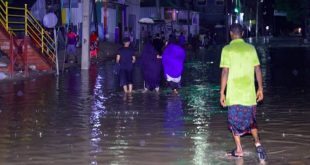
MOGADISHU– The Ministry of Education, Culture and Higher Education of the Federal Government of Somalia announced on Saturday the official results of the national certificate examinations for Grade 12 secondary school students for the 2025/2026 academic year, during a ceremony held in the capital Mogadishu in the presence of officials and representatives of bodies concerned with education. The results showed that 40,037 students passed, while 2,879 students were unable to pass the examination, which was conducted across the country’s regions under procedures that the ministry said were characterized by regularity and transparency.
Minister of Education, Culture and Higher Education Farah Sheikh Abdulkadir said the ministry would provide an opportunity for students who were unable to participate in this year’s national examination by conducting another examination at the earliest possible time. He explained that the data and records of these students are retained by the ministry, allowing the necessary procedures to be taken to enable them to sit the examination and fulfill the requirements for obtaining the national certificate, in a step aimed at taking into account the circumstances that prevented their participation and ensuring continuity in their educational pathways. The results were announced during an official ceremony attended by the Minister of Education, Culture and Higher Education and the State Minister of the ministry, along with education sector officials, representatives of Banadir Region, and a number of guests.
The event presented the final results of the national examination and highlighted the efforts made by the relevant authorities and educational and administrative personnel in organizing it, while the announcement represented an important milestone for students and their families as they completed secondary education and prepared to move on to higher education.
Somali Prime Minister Hamza Abdi Barre congratulated the students who passed the national certificate examinations and made telephone calls to the three students who achieved the top positions, as well as communicating with their families, praising their diligence and perseverance. He also commended the students’ families, teachers, and education sector workers, stressing that the results reflect the outcome of joint efforts involving families, schools, students, and educational personnel.
The Prime Minister affirmed that education is the foundation for building future generations, supporting development, and strengthening society’s ability to achieve change, stressing the government’s commitment to expanding access to education and ensuring that no child of school age is deprived of the opportunity to attend school. He called on families to continue encouraging their children to pursue education, emphasizing the importance of joint efforts by families and educational institutions to create conditions that help students continue their studies and achieve their academic aspirations.
As part of its support for academic excellence, Hamza Abdi Barre announced that the Federal Government will cover the university education costs of the three students who achieved the top positions in the national secondary certificate examinations. The step aims to support high-achieving students and enable them to continue their university education, while also encouraging other students to pursue diligence and excellence and strengthening investment in young talent as one of the essential components of building Somalia’s human capital.
The national secondary certificate examination represents a key milestone in Somalia’s education system, providing a unified standard for measuring students’ achievement at the end of secondary education and paving the way for university studies. The results provide important indicators of educational achievement and the challenges facing students and educational institutions and can be used to develop policies and programs aimed at improving education quality and expanding access to it. While supporting high achievers and enabling them to continue higher education represents an investment in young talent, ensuring fairer opportunities for students who face academic difficulties or were unable to sit the examination, together with improving the educational environment and developing the capacities of teachers and institutions, remains essential to building a more inclusive education system capable of preparing qualified generations to contribute to Somalia’s future.