Somali Observatory for Humanitarian Affairs The Voice of Reality.. The Eye of Humanitarian Truth in Somalia
Related Articles


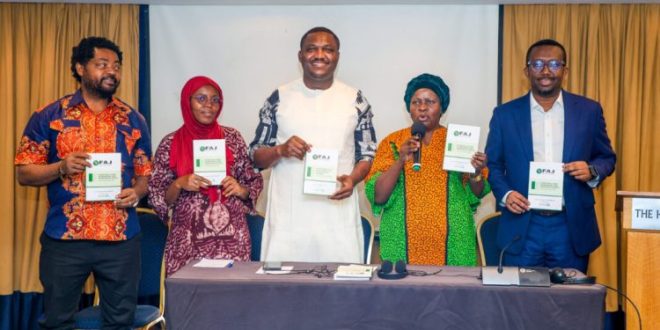
Nairobi – The African Journalists Federation has launched a new practical guide for covering the “just transition” across the continent, with the aim of strengthening the capacity of journalists and newsrooms to address climate change, climate justice, climate finance, renewable energy, workers’ rights and sustainable development. The launch comes at a time when the impacts of climate and economic transformations on African societies and economies are increasing, alongside a growing need for media capable of explaining these transformations and presenting them to the public accurately and objectively while reflecting African priorities and specificities.
The guide was launched during a conference dedicated to examining the contribution of African workers to achieving energy sovereignty and green industrialization, and to building a common African position ahead of the Conference of the Parties “COP31”, which concluded in the Kenyan capital Nairobi from August 5 to 7. The conference brought together journalists and trade union leaders, representatives of civil society organizations, and members of the African Group of Negotiators on Climate Change. Discussions addressed the future of energy on the continent, the requirements of a just transition, and the role of the media in raising public awareness of climate and economic transformations and their implications for workers and communities.
President of the African Journalists Federation Omar Farouk Osman explained that the just transition has become one of the key issues in public-interest journalism, given its direct implications for jobs, livelihoods, workers’ rights and the future of economies. He stressed that journalists play an important role in helping communities understand the opportunities and challenges associated with the transformation of the energy and economic sectors, noting that the guide provides practical tools and knowledge to help produce accurate and responsible reporting, highlight the voices of workers and communities, and strengthen the presence of African perspectives in climate-related discussions and decisions at the continental and international levels.
Ahmed Said Nasrallah, Head of the African Journalists Federation’s Climate Change Working Group, explained that the preparation of the guide was based on lessons learned from the federation’s engagement with journalists and trade unions across the continent, amid growing media interest in just-transition issues and the need for greater specialized knowledge and professional tools. The guide includes reporting techniques, case studies, and professional and ethical guidance covering climate justice, climate finance, renewable energy, workers’ rights and information integrity. African journalists and experts in climate, labor and media contributed to its development.
It is worth noting that the guide was published in English, French and Portuguese, with digital copies made freely available and distributed through journalists’ unions and media organizations affiliated with the African Journalists Federation across the continent. Its production was funded by “Mondiaal FNV”, an international solidarity organization affiliated with the Dutch trade union movement, as part of support for trade union engagement in climate justice, decent work and the just transition. The guide has been issued at a time when there is a growing need for African journalism that does not merely report climate news, but also explains its economic and social impacts, follows related policies, financing and programs, and gives workers and communities greater space to express their interests, thereby strengthening the role of the media in building deeper public awareness of the future of energy, development and climate justice in Africa.