Somali Observatory for Humanitarian Affairs The Voice of Reality.. The Eye of Humanitarian Truth in Somalia
Related Articles

BUHOODLE — As living challenges escalate in remote regions, humanitarian appeals for the provision of basic necessities are intensifying. Residents in resource-depleted areas face mounting pressures that necessitate urgent intervention from relevant authorities to secure health, food security, and social stability.
Residents of the “Buhoodle” district and its surrounding villages in the “Ayn” region have issued an urgent SOS to the Federal Government and international relief organizations. The appeal calls for immediate action to address the catastrophic deterioration of water and healthcare services, which have reached critical levels.
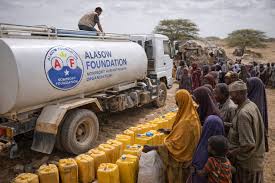
Local inhabitants confirmed that the lack of essential infrastructure has paralyzed vital services, leaving the population vulnerable to dehydration and epidemics. The region suffers from an acute shortage of water resources suitable for both human and livestock consumption.
The residents explained that villages surrounding the district are entirely devoid of artesian wells, forcing families to travel vast distances or rely on contaminated water sources. This crisis has significantly heightened the risk of infectious diseases, particularly among children and the elderly.
Regarding healthcare, elders and residents highlighted the total absence of medical centers equipped for primary care. Consequently, patients and pregnant women are forced to undertake arduous journeys across rugged terrain to reach distant medical facilities—a delay that has led to preventable fatalities and severe health complications.
Community leaders, including Abdulkadir and Mohamed Ali, emphasized that their primary demands involve drilling sustainable artesian wells and establishing health centers staffed with medical personnel and essential medicines to end the chronic marginalization of the district.
Buhoodle holds strategic geographical and political significance; it is effectively under the control of the Somali Federal Government, despite administrative claims by the separatist “Somaliland” administration. This political context places a direct responsibility on the Federal Government to bolster its service presence in the area.
This popular appeal reflects the significant developmental gap within the “Ayn” province. There are high hopes that these pleas will translate into tangible field projects that restore social stability and protect the population from forced displacement in their search for survival.
The residents concluded their appeal by asserting that access to water and healthcare is a fundamental right guaranteed by the constitution and humanitarian conventions. They stressed that the response to this crisis is the true measure of the state’s commitment to its citizens in border and rural regions.
Responding to distress calls in remote and border areas serves as a definitive test of developmental policy effectiveness. The provision of basic infrastructure remains the primary pillar for achieving social peace and fostering national unity through the equitable distribution of services across all regions.