Somali Observatory for Humanitarian Affairs The Voice of Reality.. The Eye of Humanitarian Truth in Somalia
Related Articles


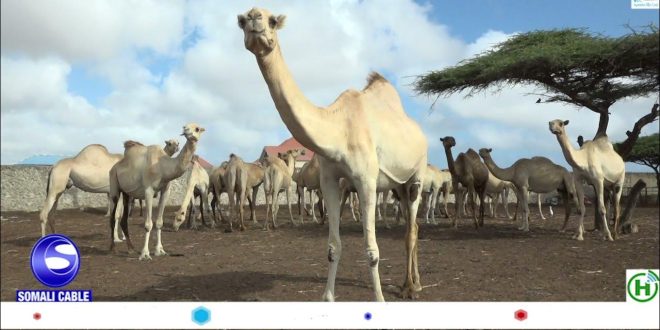
MOGADISHU — On the sun-baked outskirts of Mogadishu, Somalia’s most iconic animal is taking center stage in a quiet revolution that blends heritage with modern enterprise. For centuries, camels have been the lifeblood of Somali pastoralist culture — providing food, transport, and inspiration in poetry and folklore. Today, according to the Associated Press (AP), they are becoming the cornerstone of a fast-growing dairy industry that is reshaping both nutrition and livelihoods.
During a mid-June visit, AP reporters toured Beder Camel Farm, one of several new commercial dairies emerging around the capital. Herders tended to dozens of camels as others munched fresh fodder, while trained staff collected milk under strict hygienic conditions.
Somalia has more than 7 million camels — the largest population in the world — yet, AP notes, only a small fraction of their milk traditionally reached urban markets. Dr. Abdirisak Mire Hashi, veterinarian and farm manager, is spearheading efforts to modernize production through improved feed, veterinary care, and efficient milking methods. Each camel at Beder now yields up to 10 liters a day, double the traditional average.
Jama Omar, Beder’s CEO, told AP the farm holds around 40% of Somalia’s commercial camel milk market and employs nearly 200 permanent workers, in addition to seasonal hires. “We started in 2006 when few people imagined camel milk could be produced on this scale,” he said.
From Milk to Yogurt
Beder has also pioneered Somalia’s first camel milk yogurt plant, with products now lining supermarket shelves in Mogadishu. Kenyan food engineer Nelson Njoki Githu explained to AP that camel milk’s lower lactose levels make it suitable for those with intolerance, while its vitamin C, iron, and zinc content surpasses that of cow milk.
Nutritionist Dr. Yahye Sholle told AP that the yogurt is rich in calcium, magnesium, and probiotics, offering significant health benefits in a country still battling malnutrition.
Government Backs the Boom
Somalia’s Ministry of Livestock is also betting on the sector’s potential. Dr. Kasim Abdi Moalim, the ministry’s Director of Animal Health, told AP that the government is drafting a Dairy Act and a master investment plan to encourage industry growth, noting that in other countries camel milk is even used in cosmetics.
As the sun sets over Beder’s sandy paddocks, the steady pace of the camels mirrors Somalia’s gradual march toward a more modern agricultural economy. From ancient desert caravans to chilled yogurt cups in city supermarkets, the Associated Press reports that the Somali camel’s journey is far from over.