Somali Observatory for Humanitarian Affairs The Voice of Reality.. The Eye of Humanitarian Truth in Somalia

Related Articles
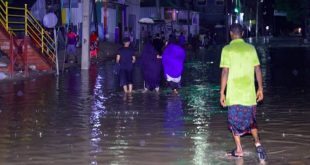
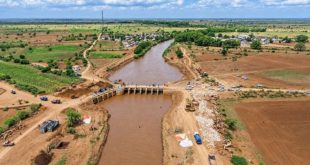
Somalia, like many countries, is affected by frequent climate-related hazards such as floods, droughts and tropical storms. Flood frequency has increased in Somalia over the past 20 years, resulting in the disruption of people’s livelihoods and the economy at large. Climate change – compounded with other factors such as low ability to adapt, a rapidly growing population, poor infrastructure, weak river embankments and poor soil structures – is exacerbating the level of flood damage inflicted on local communities.
The Food and Agriculture Organization of the United Nations (FAO), through the Somalia Water and Land Information Management (SWALIM) project, has developed a robust Early Warning System (EWS) that enables the production and dissemination of early warning information to response agencies, the Somali government and vulnerable communities. The EWS is supported by a dedicated network of climate observers and a number of river gauging stations along the Juba and Shabelle rivers, which are prone to flooding. The EWS also includes an SMS alert system, called Digniin (from a Somali word meaning “warning”), where designated observers across Somalia can report flood-related incidences to supplement traditional early warning mechanisms.
The messages and information received from these observers is verified and relayed, if relevant, as a warning to vulnerable communities in near real-time via mobile devices. Further, before the beginning of each rainy season, SWALIM monitors the status of river breakages along the two rivers using high-resolution satellite imagery. The information is then shared with intervening agencies and development partners to support early action by closing the open riverbanks – a major cause of floods along the rivers. For example, two open river points in Jowhar district have led to massive flooding since 4 May 2021 despite relatively low river levels in the area.