Somali Observatory for Humanitarian Affairs The Voice of Reality.. The Eye of Humanitarian Truth in Somalia
Related Articles
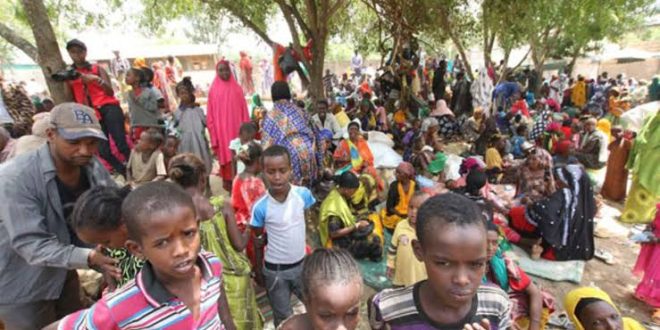
MOGADISHU – The United Nations Office for the Coordination of Humanitarian Affairs (OCHA) has warned of a worsening displacement crisis in Somalia, amid the combined effects of drought, floods, and armed conflict, mounting pressure on living conditions, and declining funding for humanitarian response. The office reported that more than 3.3 million people are internally displaced, most of them women, children, and older people, while more than 800,000 people were displaced between January and September 2026. Drought accounted for approximately 70% of displacement cases, according to data from the United Nations Refugee Agency (UNHCR).
The office noted that anticipated flooding associated with El Niño could displace hundreds of thousands more people by December. It said floods that struck the country last month displaced more than 17,500 people and affected over 170,000 others. Violence in the Bay and Bari regions also displaced approximately 9,500 people during September and October, amid ongoing security challenges and their impact on civilians.
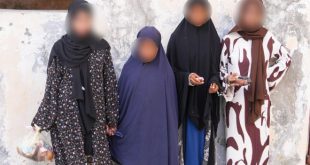
Displaced people face increasing risks of violence, exploitation, and abuse, particularly women, girls, children, persons with disabilities, and members of minority communities, as pressure on essential services grows and families and host communities struggle to meet mounting needs. The loss of homes and livelihoods is deepening the vulnerability of affected groups, while health and nutrition needs are increasing amid limited resources available to respond to the crisis.
In terms of funding, the number of people receiving food assistance declined from approximately 1.1 million in January to nearly 600,000 in June due to funding shortages. The year also saw 233 nutrition centers and 380 health facilities close or reduce their services. Meanwhile, Somalia’s Humanitarian Response Plan, which requires $852 million, has received only 36% of the funding sought, limiting the humanitarian response’s ability to keep pace with growing needs.
Somalia is facing a complex humanitarian crisis that extends beyond displacement and loss of shelter, affecting food security, health, education, and livelihoods amid recurring climate shocks, ongoing conflict, and funding shortfalls. This underscores the need to move beyond emergency response toward a more sustainable approach focused on strengthening disaster risk management, developing early warning systems, supporting affected communities, and protecting their livelihoods, in order to reduce repeated displacement and improve prospects for long-term recovery and stability.