Somali Observatory for Humanitarian Affairs The Voice of Reality.. The Eye of Humanitarian Truth in Somalia
Related Articles
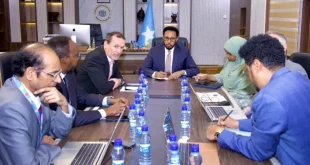
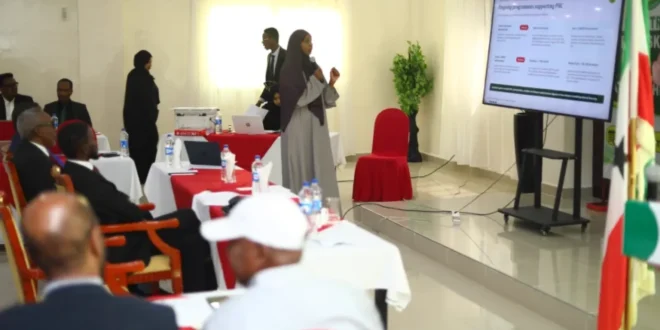
HARGEISA – The Ministry of Health Development in Somaliland held a Health Programmes Coordination Meeting with the participation of the World Health Organization (WHO) and the United Nations Children’s Fund (UNICEF), with the aim of strengthening partnerships among the three parties and accelerating the delivery of health and nutrition services, according to a statement issued by WHO Somalia.
The meeting focused on aligning health priorities and improving coordination between the ministry and the two international organizations in a way that would help unify efforts and avoid duplication of activities. The public statement did not include details of any new funding commitments, the launch of additional programmes, or timelines for implementing specific initiatives.
The meeting comes amid the health system’s heavy reliance on partnerships with international organizations, given Somaliland’s limited access to some multilateral funding channels as a result of its lack of international recognition. WHO and UNICEF play a central role in supporting health and nutrition services and addressing some of the needs that local health institutions are required to meet.
The partnership among the three parties previously resulted in an integrated measles, polio, and nutrition campaign in 2023, during which more than 620,000 children were vaccinated against measles and around 650,000 children against polio across Somaliland. More recently, WHO supported the development of an operational plan for health priorities for 2026–2027, involving ministry officials, the organization’s technical experts, and UNICEF representatives, with the aim of coordinating priorities and avoiding duplication of efforts.
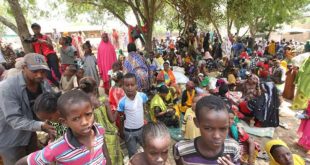
The operational plan reflects the funding challenges facing the health sector, amid limited resources and the need to use them more efficiently. This makes stronger coordination and complementary roles among partners essential to ensuring the continuity of services and expanding their reach. These efforts are particularly important as risks associated with El Niño rains increase, potentially bringing floods, displacement, and outbreaks of waterborne diseases, alongside additional pressure on health and nutrition services.
Somaliland, like other parts of Somalia, faces overlapping challenges that require a flexible health response, particularly in immunization, nutrition, and maternal and child health. Flood risk projections indicate that up to 3.4 million people across Somalia could be exposed to flood risks in the coming months, highlighting the importance of sustained coordination between health institutions and international organizations, as well as strengthening the readiness of essential services to reach communities most exposed to these risks.