Somali Observatory for Humanitarian Affairs The Voice of Reality.. The Eye of Humanitarian Truth in Somalia
Related Articles


Somalia is facing highly complex humanitarian challenges due to the repercussions of the raging conflict in the Middle East, which threatens to drive millions of her citizens toward unprecedented levels of severe hunger as a result of skyrocketing fuel and international shipping costs, and their direct impact on basic food prices.
According to a dispatch from Geneva by Reuters, detailing the United Nations World Food Programme (WFP) metrics, acute food insecurity now threatens nearly 45 million people globally. This comes as crude oil prices persistently hover above 100 dollars per barrel, a worst-case scenario casting dark shadows over food and energy-importing nations.
The humanitarian report indicated that recent geopolitical and military disruptions have severely impacted navigation across vital shipping lanes, including the Strait of Hormuz and the Indian Ocean. This has forced commercial vessels to reroute, creating massive disruptions in global energy and food supply chains heading to Somali ports.
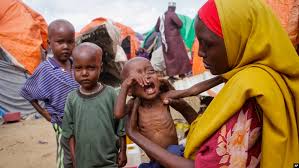
Displaced families and local communities in Somalia stand at the forefront of this compounding crisis. The UN programme projects that Somalia will face severe hunger affecting 6.5 million of her people — nearly a third of her population — this year, with living and logistical conditions expected to deteriorate even further.
The WFP further explained that these catastrophic conditions coincide with a severe funding shortfall hitting international and local aid agencies. Global beneficiary numbers are expected to drop by 1.5 million, with an additional 9 million people at risk of losing aid if these operational disruptions persist over the next six months.
Regarding internal Somali affairs, the report alerted that specialized nutritious food supplies for children under five suffering from moderate acute malnutrition will completely run out by July, pointing out that the international humanitarian programme is currently grappling with an unprecedented 89 percent funding deficit within Somalia.
In this context, Jean-Martin Bauer, WFP Director of Food Security Analysis, stated in remarks monitored by Reuters News Agency that food stocks are actively depleting and unavailable for distribution, warning that Somali children and vulnerable groups in displacement camps will inevitably bear the harshest consequences of this supply shortage.
This logistical deterioration in Somalia is further exacerbated by a decrease in the number of commercial vessels docking at her national ports, as well as some international relief shipments currently stranded at the Port of Salalah in the Sultanate of Oman due to maritime disruptions in the Indian Ocean, causing dangerous delivery delays.
On response operations, Reuters news coverage highlighted that rising aviation fuel prices have significantly inflated operational costs for the UN Humanitarian Air Service, which represents the sole safe option to reach and relieve remote inland areas across Somalia that are inaccessible by land due to her security and geographical conditions.
On a comparative regional level, the report mentioned that the same suffering extends to Afghanistan, where 17.4 million of her residents face the identical crisis. The fuel crisis there has driven land transportation costs for aid up fivefold, expanding delivery timelines from 10 days to nearly 75 days due to forcing trucks to utilize rugged alternative bypass routes.
This comprehensive journalistic report exposes the depth of the structural vulnerability in Somali food security, illustrating how military sparks in the Middle East transform into crushing humanitarian crises affecting the daily survival of women and children in the Horn of Africa. Somalia’s heavy reliance on essential imports, coupled with record drops in international relief funding, places her before a critical test. This reality demands an urgent international strategy that transcends temporary aid to encompass securing maritime shipping lanes, supporting humanitarian air bridges, and localizing nutritious food production, preventing global geopolitical shocks from compromising the societal stability and comprehensive health security of the Somali citizen.