Somali Observatory for Humanitarian Affairs The Voice of Reality.. The Eye of Humanitarian Truth in Somalia
Related Articles
International concerns are mounting over the deteriorating humanitarian situation in Somalia, as acute climate crises intersect with global geopolitical instability, putting the lives of millions of children at stake. These warnings come at a time when the international community faces immense challenges in ensuring the continuous flow of vital aid to areas most affected by drought and displacement.
The Associated Press (AP) reported in a field coverage from the town of Dollow, southern Somalia, that the United Nations Children’s Fund (UNICEF) has sounded the alarm regarding the repercussions of distant regional conflicts, which have cast a dark shadow over the supply chains of therapeutic food and essential vaccines destined for Somalia.
The Agency stated that military tensions in the Middle East have caused a “shock to the humanitarian system,” according to Catherine Russell, UNICEF Executive Director. She emphasized that rising fuel costs and disrupted shipping routes have hindered the smooth and regular delivery of life-saving assistance.
Reports issued by AP explained that maritime and land transport costs are expected to rise by 30% to 60%, and have doubled on some relief routes, threatening the arrival of $15.7 million worth of therapeutic food, mosquito nets, and vaccines that remain stuck in international shipping lanes.
At the Dollow Referral Hospital, the Associated Press monitored the declining health status of arriving children, where nutrition program coordinators indicated that the health center has begun receiving cases in “extremely critical” condition suffering from severe wasting, amid fears of exhausting current stocks of therapeutic materials by mid-April.
The report noted that the humanitarian crisis has been exacerbated by the closure of more than 400 health and nutrition facilities across Somalia over the past year, mainly due to international funding cuts, leaving displaced local communities without health coverage against malnutrition and related diseases.
AP quoted the Somali government warning that nearly 6.5 million people face severe hunger, while global hunger monitoring estimates suggest that 1.84 million children under the age of five in Somalia are expected to suffer from acute malnutrition during 2026, following consecutive failed rain seasons.
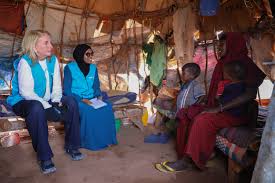
In the Ladan displacement camp, which houses approximately 4,500 households, the tragedy of mothers who lost their crops and livestock is evident, as their children rely entirely on limited therapeutic meals. Camp officials confirmed that general humanitarian assistance stopped in September 2025, increasing the fragility of living conditions.
News reports from AP confirmed that children in these camps have become vulnerable to pneumonia and diarrhea due to weakened immunity caused by lack of food, making urgent relief intervention a necessity that cannot be delayed to save the lives of thousands of the most vulnerable.
On the ground, medical staff in nutrition centers are making strenuous efforts to distribute peanut-based therapeutic paste as a final lifeline for children. However, these efforts collide with dwindling supplies and the increasing number of new arrivals from drought- and conflict-affected areas.
The Agency explained in its report that the consequences of international conflicts have diverted attention and funding, placing Somalia in a complex crisis that requires an exceptional international response beyond traditional funding promises to secure sustainable maritime and land relief corridors.
Humanitarian sources stated that maintaining security and ensuring aid access represent the fundamental pillars allowing the implementation of humanitarian initiatives, calling on the international community to decouple humanitarian work from political tensions to ensure support reaches those in need safely.
Hopes remain pinned on the swift response of international donors to bridge the funding gap and ensure the arrival of stuck shipments before it is too late, especially since the lives of children in displacement camps cannot endure further delays under the harsh climatic and economic conditions haunting the region.
The interconnectedness of international crises imposes a tragic reality on the most vulnerable, where the situation in the Federal Republic of Somalia proves that global stability is the true guarantee of food security. Human dignity and protection from hunger remain the cornerstone of building international peace and security, necessitating global solidarity that places the interests of childhood above all considerations.