Somali Observatory for Humanitarian Affairs It is a specialized, independent, non-profit media network that observes and follows up the Somali humanitarian scene
Related Articles

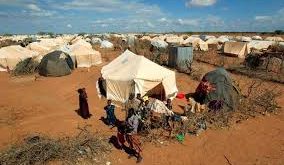

In a development reflecting the depth of the humanitarian and economic crisis in Yemen, the number of Somali refugees opting for voluntary return to their home country is increasing. They are fleeing the grinding poverty and unemployment they face in war-torn Yemen, despite the instability that also affects Somalia.
Reports by Agence France-Presse (AFP) highlight the suffering of thousands of Somalis living in dire conditions in informal settlements like Al-Basateen neighborhood in Aden, which is nicknamed “Aden’s Mogadishu.” Although Yemen is not a primary destination for migration, it has become a forced transit point for many African migrants dreaming of reaching the wealthy Gulf states.
Abdullah Omar (29), a young man, is an example of this suffering. He returned to Yemen after failing to enter Saudi Arabia in 2017. Omar, who grew up in Yemen, found himself once again facing a harsh life and severe unemployment, contrary to his expectations.
Omar told AFP regretfully, “I thought Yemen was better than Somalia, but there is no work, no money, and no schooling for the children.” Omar currently works washing cars, earning no more than $3.7 daily, and lives with his wife and four children in a very modest room. He has decided to return to Mogadishu, hoping to benefit from the relative peace and construction boom witnessed in the Somali capital.
The United Nations High Commissioner for Refugees (UNHCR) has been coordinating the voluntary return program for Somali refugees since 2017, having repatriated more than 9,000 refugees to date. Somalis constitute about 63% of the total refugees and asylum seekers in Yemen.
A UNHCR survey revealed that 56% of returnees cited “lack of income-earning opportunities” as the reason for leaving Yemen. According to Oweis Al-Wazzan, who manages the program, the UN provides financial support to every family member before travel, in addition to a sum for social reintegration upon arrival in Somalia.
Abdullah Omar and his family left Yemen at the end of October as part of this program, seeking a decent life for his children. Others, like contractor Ahmed Abu Bakr Marzooq (58), are also waiting to return after being unable to find work, despite having lived a respectable life in Yemen before the war.
Yemen is suffering from one of the world’s worst humanitarian crises, with approximately 19.5 million people in need of humanitarian assistance in 2025, according to the United Nations.