Somali Observatory for Humanitarian Affairs The Voice of Reality.. The Eye of Humanitarian Truth in Somalia
Related Articles
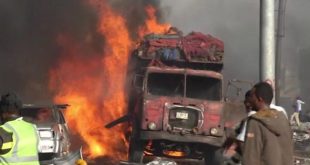
MOGADISHU — Living conditions are dire for the residents of Galbarwaaqo village, located between Somalia’s Galkayo and Hobyo districts. Most residents in the village, which has a population of around 1,200 households, are pastoralists, and in the last five years the village has experienced recurrent droughts, locust infestations and COVID-19. These issues have drastically reduced residents’ household income and increased the poverty rate.
With support from the Somalia Humanitarian Fund (SHF), Cesvi is the only organization in the village providing basic health facilities, including integrated management of childhood and maternal diseases, and safe motherhood services, such as antenatal and prenatal care, immunizations and delivery services.
Sumayo Nur is one of the pregnant women in the village who has access to the health centre. The recent drought significantly affected her family; they lost all their livestock and decided to move to Galbarwaaqo village in search of a better life.
Three months into her pregnancy, Sumayo is registered under a medical and nursing care services programme. She explained: “I am a mother of two children. I remember when I was giving birth to my first two children, it was different. During my first childbirth I was not in Galbarwaaqo; I was living in a nearby village called Dawgaab, where I had no access to any health-care facility. I was suffering some major health issues at that time, and the nearest health service was in Galkayo, where you have to pay about US$120 to rent a car. We couldn’t afford that.”
Poverty is a major barrier to accessing health care. Many people, especially women, have died because they couldn’t get the help they needed. Establishing the health centre in Galbarwaaqo has helped countless people in the village by providing affordable health care.
“I have qualified people at the health centre taking care of me,” said Sumayo. “There was a time when we couldn’t afford my medical expenses, but now I’m happy that I get free medicines. I’m happy with the support I have received, as this has not only improved my well-being but also has enabled me to take care of my family too.”
While the rapidly worsening drought situation has caused large-scale displacement, safe and equal access to resources has become essential. Through its partner organizations, SHF is conducting specialized interventions mainly in health, nutrition, and water, sanitation and hygiene.
Source: UNOCHA Origin: View original