Somali Observatory for Humanitarian Affairs The Voice of Reality.. The Eye of Humanitarian Truth in Somalia
Related Articles



GENEVA — The United Nations announced yesterday the allocation of $10 million from its Central Emergency Response Fund (CERF) to support efforts aimed at preventing the worsening of famine in the Federal Republic of Somalia, in light of the growing challenges posed by food insecurity in the country.
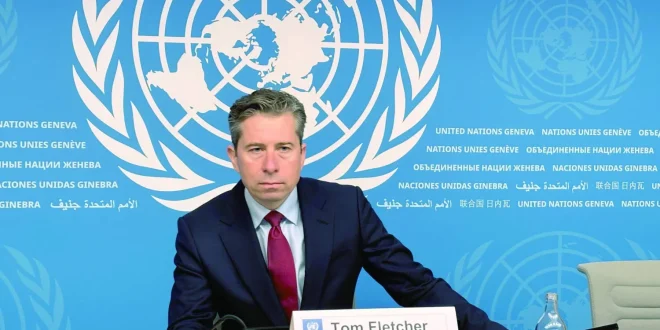
Tom Fletcher, the UN Humanitarian Coordinator, explained that this urgent funding would be directed toward providing a package of essential aid, including food, nutrition, healthcare, and water services, targeting approximately 640,000 people in the most affected areas that are in dire need of humanitarian intervention.
The UN official warned of the limited window of opportunity for intervention, stressing that the chance to prevent famine in Somalia has become extremely restricted due to the accelerating humanitarian crisis, necessitating urgent international action to prevent the deterioration of living conditions for millions of people.
UN data indicates that approximately 6 million people in Somalia suffer from acute levels of hunger, including 1.9 million who are facing extreme food emergency conditions, amidst a continuous decline in the efficiency of basic services and a widening gap in national food security.
The organization also cautioned of an imminent risk of famine in some parts of the Bay and Bakool regions in Southwest State, particularly within farming and pastoralist communities, noting that over 500,000 people have been displaced since the beginning of 2026 due to the compounding effects of drought, conflicts, and disease outbreaks.
This UN aid comes at a critical juncture as Somalia suffers from a decline in humanitarian funding. Aid agencies warn that the continued funding gap may exacerbate food insecurity, leaving millions of residents, especially in fragile rural areas, at risk of actual famine.
The humanitarian crisis in Somalia is one of the most complex currently being witnessed globally, due to a convergence of protracted drought, security instability, and resource shortages. These UN interventions represent a primary line of defense to prevent the collapse of food security systems. However, reaching sustainable stability remains dependent on the integration of international efforts to ensure funding flow and the development of resilience programs aimed at empowering local communities to face climate challenges, protecting individual livelihoods, and ensuring the fundamental right to food and care.