 Somali Observatory for Humanitarian Affairs The Voice of Reality.. The Eye of Humanitarian Truth in Somalia
Related Articles


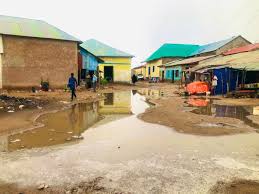
MOGADISHU — Residents of Ceelwaaq and its surroundings welcomed moderate rainfall, leading to a tangible humanitarian breakthrough after a harsh period of drought that struck livelihoods and affected social stability in the region. This downpour arrives to dispel residents’ fears and revive hopes for an agricultural and pastoral season that restores normalcy to the affected provinces.
The town witnessed standing water in vast areas, ending months of difficult climatic conditions marked by extreme heat and acute water shortages. According to Future Media Network, the Gedo Region in Jubaland State was one of the areas hardest hit by the recent humanitarian crisis prior to these rainfalls.
Local sources indicated that many families—particularly pastoralists who had previously fled the area due to worsening conditions—have begun returning home following the rainfall. This return marks an initial sign of gradual recovery, despite the significant challenges returnees still face in rebuilding their professional and social lives.
The previous drought had forced large numbers of residents to displace in search of pasture and water, resulting in massive losses in livestock—the fundamental pillar of the region’s economy. The current rains are expected to revive grazing lands and improve access to surface water sources in a sustainable manner.
In a related context, local authorities and community leaders issued health advisories to returning citizens, urging caution when using newly available water sources. The guidelines emphasized the need to take necessary measures to prevent waterborne diseases, especially in areas where stagnant water has accumulated.
While optimism prevails among local communities following these showers, humanitarian actors in the field warned that the situation remains fragile. Field sources informed the Network that full recovery requires sustained rainfall to ensure the continuity of natural resources sufficient for the population’s needs.
Relief organizations affirmed that vulnerable families who lost their livelihood assets still desperately need continuous support to stabilize. Observers believe that developmental interventions must go hand-in-hand with emergency relief to enhance the population’s resilience against expected future climatic changes in the region.
The return of pastoralists to Ceelwaaq reflects the spirit of determination within the local community, as pastoral life gradually returns to the plains surrounding the town. The improvement of vegetation cover represents a core step in reducing reliance on external food aid and revitalizing commercial activity in local markets.
Reports concluded by emphasizing the importance of consolidating official and private efforts to provide basic services to returnees and ensure a safe and healthy environment that prevents epidemic crises. Hopes remain high for continued rainfall to cover all parts of the region and secure a more stable future for coming generations amid current challenges.
The arrival of rainfall in areas affected by conflict and drought represents a lifeline that blends the blessing of nature with human resolve. Serious media and field responses in Somalia remain the cornerstone in guiding international efforts toward the paths of greatest need, ensuring the achievement of sustainable development and the preservation of human dignity.

